After penile implant surgery: preparing for recovery and follow-up after returning home
Recovery following the fitting of a penile implant begins before you are discharged from hospital. What instructions should you follow at home? Who should you call if the pain gets worse? When should you learn how to use the implant, return to work or travel? These questions deserve written answers, tailored to your specific procedure.
Author : TebbHelp Editorial Team
Published :
Updated :
How can we reach you?
Required fields must be completed before you send the request.
This guide helps you organise discussions with healthcare professionals, particularly following treatment abroad. It is not a substitute for your prescription or your surgeon’s instructions.
Before discharge, get a clear plan
Ask the team to explain wound care, prescribed medication, restrictions and follow-up appointments. Rephrase the instructions in your own words: what do you need to do, until when, and who should you contact if in doubt? The BAUS provides guidance on recovery and the handover of a discharge summary. Source: BAUS.

Prepare a handy reference sheet:
- the name of the surgical team and their contact details, including out-of-hours numbers;
- care instructions and medication guidelines;
- symptoms requiring medical attention and where to go;
- the date of your next check-up and arrangements for learning to use the implant;
- the healthcare professional who will be able to examine you after your return.
If you are travelling abroad, clarify this last point before your trip. The CDC recommends organising continuity of care and the management of any potential complications in advance. You can round off your preparations with the questions to ask before receiving treatment abroad. Source: CDC, healthcare abroad.
At home, monitor your progress without improvising
Discomfort and swelling may persist during recovery. How these symptoms develop is important: increasing pain or worsening swelling must be reported, even if you thought these symptoms were to be expected. A photograph or an online account cannot confirm that your healing is progressing normally. Sources: BAUS and UC Irvine, post-operative instructions.
For dressings, wound care and medication, follow the instructions you have been given. UCLH reminds you to wash your hands before any contact with the wound and to follow the prescribed dosages. If any instructions are missing or contradictory, contact the team rather than following another patient’s advice. Source: UCLH.
Make brief notes of any changes: pain, the appearance of the wound, difficulty urinating, medication taken and the time these symptoms first appeared. These notes may help you explain the situation to the healthcare professional you contact; they must not delay seeking medical advice.
Recognising situations that cannot wait
Contact the healthcare team immediately in the event of a fever, the onset or worsening of redness, discharge from the wound, persistent bleeding or pain that is not adequately relieved by the prescribed treatment. A device that becomes visible through the skin also requires prompt medical attention. If you cannot reach the team or if your condition worsens, seek local medical advice. Sources: UCLH and University of Utah Health.
If you are unable to pass urine, particularly if accompanied by pain or swelling in the lower abdomen, seek medical assessment immediately. Do not wait for your scheduled appointment. Source: NIDDK.
A leg that has suddenly become swollen, painful, red or warm also requires immediate medical assessment. Difficulty breathing, chest pain, coughing up blood or loss of consciousness are reasons to call your local emergency services. These symptoms can have several causes; they should not be assessed via messaging alone. Source: CDC, blood clots and travel.
Do not wait for a reply from TebbHelp before seeking urgent medical care.
Returning to work, activities and sexual activity
The timeframe depends on your recovery and the activities you plan to undertake. Give your surgeon a detailed description of your daily routine: sedentary work, commuting, carrying loads, sport or driving. Ask what is permitted, what needs to wait and when you should have a follow-up assessment.
Hospital information sheets provide different guidelines for work and physical exertion. A figure in weeks found online does not therefore constitute personal authorisation. Ask for specific guidance on returning to work, physical exertion and sexual activity. Sources: UCLH and University of Utah Health.
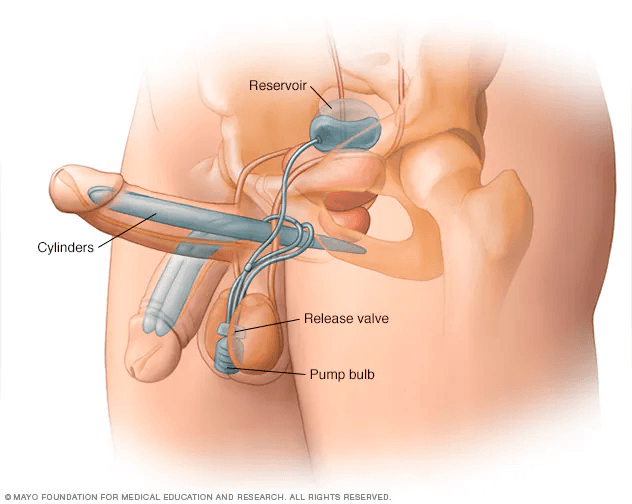
For an inflatable penile implant, learning how to use the pump is part of your aftercare. Do not start inflating the device until you have received the go-ahead and instructions from the medical team. Ask for a demonstration tailored to your specific model, and find out how to get help if you still find it difficult to operate. Source: UCLH.
Prepare for your return journey with your surgeon
The CDC recommends that people who have recently undergone surgery consult their doctor before flying. The timing depends on your individual circumstances; the end of a pre-booked hospital stay does not constitute medical clearance to travel. Discuss the entire journey in detail, including connections and ground transfers. Source: CDC, air travel.
Recent surgery and prolonged immobility are among the risk factors for blood clots. Ask what measures are appropriate during your journey. Do not take aspirin or anticoagulant medication on your own initiative: prevention must be decided in consultation with a healthcare professional. Source: CDC, blood clots and travel.
Also plan how to adjust your return journey if a follow-up appointment becomes necessary. Check with your insurer regarding the terms of cover for scheduled treatment abroad and any follow-up care, without assuming you will be reimbursed. Source: CDC, healthcare abroad.
Keep useful documents and arrange for continuity of care
Before returning home, collect your medical records – including the surgical report, prescriptions and follow-up plan – in a language that the healthcare professionals who will be treating you can understand. Clarify which check-ups require an in-person examination and who will carry them out. Source: CDC, healthcare abroad.
Ask for the device’s reference details and its implant card, where available. Make a note of the manufacturer, model and identification numbers provided; a copy or a photo will make it easier to access this information. The TGA states that this information is useful for identifying an implant and communicating with healthcare professionals. Source: TGA, implant cards.
Finally, clarify who is organising each appointment and what is billed separately. For this section, see our guide to comparing two penile implant quotes.
Preparing your journey with TebbHelp
TebbHelp helps you outline your plan and prepare a request for support. Find out how the process works, then start your TebbHelp journey to specify your preferences.
Post-operative care, learning to use the implant and authorisation to travel are matters for the healthcare professionals looking after you. Ask which channel to use before sending medical documents or intimate images.
Sources
- https://www.baus.org.uk/_userfiles/pages/files/patients/leaflets/Penile%20prostheses.pdf
- https://www.uclh.nhs.uk/patients-and-visitors/patient-information-pages/insertion-inflatable-penile-prosthesis
- https://healthcare.utah.edu/mens-health/treatments/penile-implants/about-procedure/recovery
- https://centerforreconstructiveurology.org/wp-content/uploads/2023/04/Penile-Implant-Post-Op-Instructions.pdf
- https://www.niddk.nih.gov/health-information/urologic-diseases/urinary-retention/symptoms-causes
- https://www.cdc.gov/yellow-book/hcp/health-care-abroad/medical-tourism.html
- https://wwwnc.cdc.gov/travel/page/dvt
- https://www.cdc.gov/yellow-book/hcp/travel-air-sea/air-travel.html
- https://www.tga.gov.au/resources/guidance/providing-patient-information-leaflets-and-implant-cards-medical-devices