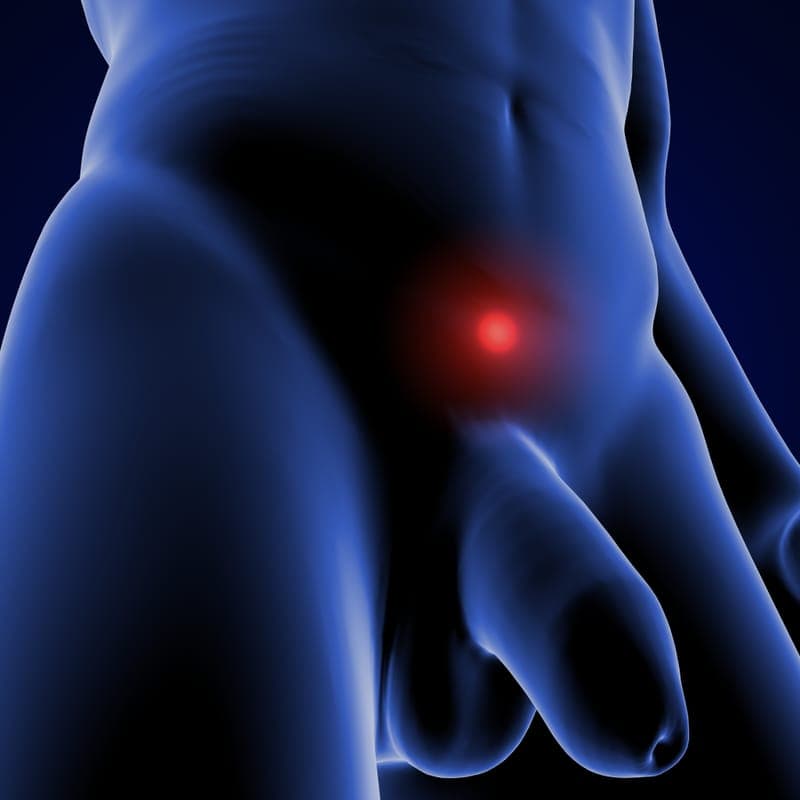
Penile prostheses: risks, complications and follow-up care
Identify the questions to ask regarding possible complications, their management and the continuity of follow-up.
Author : Tarik EL RHAZAL
Published :
Updated :
Medical review pending
A hydraulic penile implant is a reliable surgical solution for men suffering from severe erectile dysfunction. Despite high satisfaction rates and excellent functional outcomes, as with any surgery, this procedure carries certain risks. In this article, we review the possible complications, risk factors and preventive measures, and answer your most frequently asked questions in an FAQ section.
What is a hydraulic penile prosthesis?
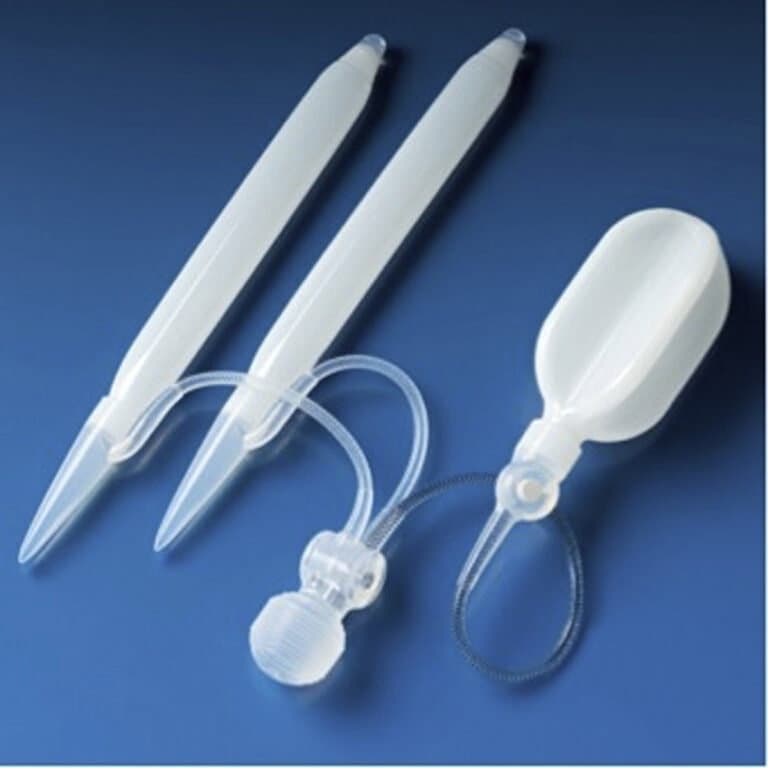
A hydraulic penile prosthesis is a device surgically implanted inside the penis. It enables the patient to achieve an erection on demand, via a pump system, whilst maintaining a natural appearance when flaccid. It is often recommended following the failure of drug-based or injection treatments.
Risks associated with implantation
1. Post-operative infection
- Frequency: 1% to 4% depending on the study and the type of implant. - Symptoms: redness, pain, discharge, fever. - Consequences: removal of the prosthesis in severe cases. - Prevention: aseptic surgical techniques, prophylactic antibiotics.
2. Mechanical failure
- Description: leakage of fluid, ineffective pump, component failure. - Statistics: 93 per cent operational at 5 years, 78 per cent at 10 years. - Solution: replacement or surgical revision.
3. Erosion or migration
- Erosion: the prosthesis may perforate internal tissues (urethra, skin). - Migration: the reservoir or pump may move out of position. - Consequences: pain, urgent surgical revision. - Risk factors: diabetes, previous surgeries.
4. Haematoma or bleeding
- Symptoms: swelling, pain, bluish discolouration. - Frequency: rare with modern techniques. - Treatment: monitoring, drainage if necessary.
5. Chronic pain or dysfunction
- Incorrect positioning of the implant. - Tissue reaction. - May sometimes require a further operation.
Risk factors to consider
- Poorly controlled diabetes - Immunosuppression - Smoking - History of pelvic surgery - Obesity - Wound healing disorders
Benefits despite the risks
- High satisfaction rate (over 90 per cent) - Restored sex life - Natural appearance - Total control by the patient
These risks are rare and are well managed in specialist centres such as UrologyExpertsTurkey, which use the latest technologies and minimally invasive techniques.
FAQ Section – Frequently Asked Questions
QuestionAnswerIs the implant visible from the outside?No, the entire system is completely internal.Is the operation painful?It is carried out under anaesthesia. Moderate pain may occur in the first few days.Can I resume sexual activity?Yes, usually 4 to 6 weeks after the procedure.What should I do if the prosthesis fails?It can be replaced or repaired surgically. Is there an age limit for the implant? No, provided your general health permits it. What is the average lifespan of an implant? Approximately 10 to 15 years, depending on usage and the model.
Source and support
Article by Tarik EL RHAZAL, reproduced and adapted for TebbHelp from a publication on Urology Experts Turkey. The link to the original article is provided in the sources. The services described on the original website do not automatically constitute a TebbHelp offer: their availability and inclusion must be confirmed in a written proposal.
TebbHelp facilitates preparation and communication. This general information is not a substitute for a consultation and does not guarantee an individual outcome.
Sources
Further reading and references
External resources in English to explore the topic. Their inclusion does not mean their authors have endorsed this article or a particular technique.