Erectile dysfunction: how is it diagnosed?
Consultation, examination and further tests: understanding the possible stages of the assessment process for erectile dysfunction.

Author : Tarik EL RHAZAL
Published :
Updated :
Medical review pending
Introduction
Erectile dysfunction (ED) is a common condition amongst men, particularly as they get older. This sexual dysfunction can have a significant impact on quality of life, self-confidence and relationships. At Urology Experts Turkey, we offer a comprehensive and personalised approach to diagnosing erectile dysfunction and understanding its underlying causes. This article explains in detail the stages of diagnosis, the necessary medical tests and the options available in Istanbul.
What is erectile dysfunction?
Erectile dysfunction is defined as the persistent or recurrent inability to achieve or maintain an erection sufficient for satisfactory sexual activity. This problem may have a physical, psychological, or both physical and psychological cause.
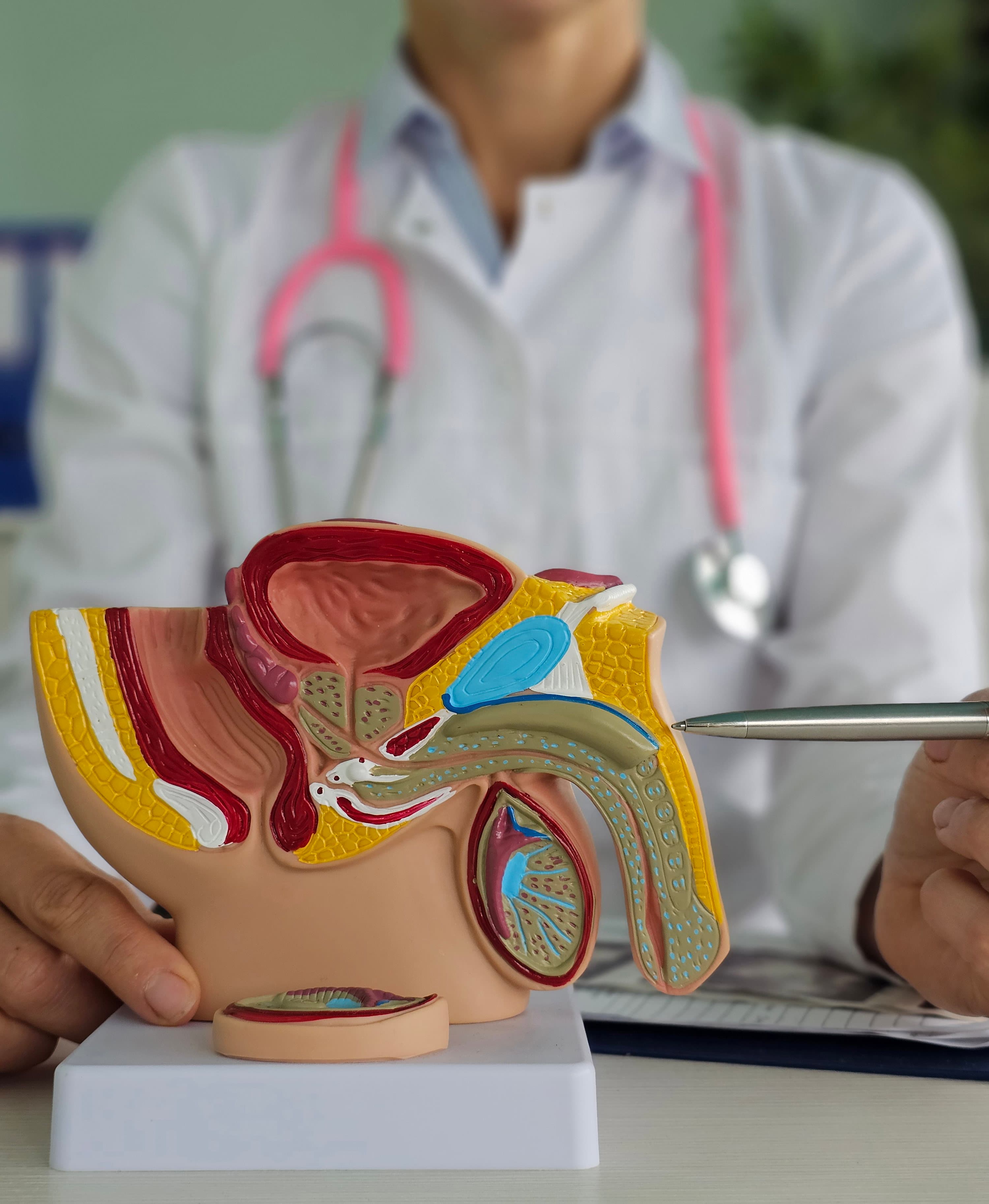
The process of diagnosing erectile dysfunction
At Urology Experts Turkey, the diagnosis of ED is thorough and involves several stages:
1. Medical consultation (medical history)
The doctor begins by asking detailed questions about:
- The patient’s medical and sexual history - The duration and frequency of the symptoms - The presence of chronic conditions (diabetes, high blood pressure, obesity) - Medicines taken - Psychological factors: stress, anxiety, depression
2. Specialised questionnaires
Tools such as the IIEF-5 (International Index of Erectile Function) are used to assess the severity of the dysfunction.
3. Clinical examination
The doctor carries out a physical examination to detect any anatomical, hormonal or vascular abnormalities.
4. Blood tests
Blood tests are used to check:
- Testosterone levels - Blood sugar levels (diabetes) - Cholesterol - Kidney and liver function
5. Penile Doppler ultrasound
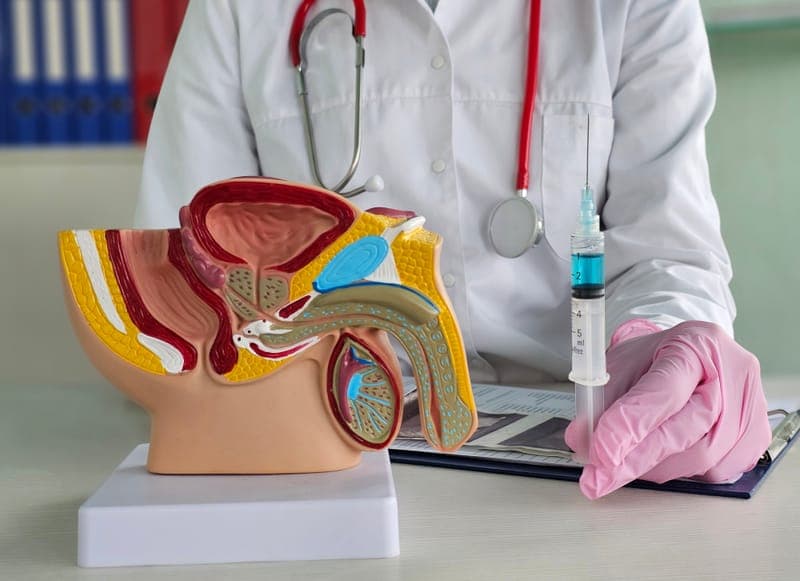
A key test for assessing blood flow in the arteries of the penis following the injection of a vasodilator. This examination helps to identify a vascular cause.
6. Other tests if necessary
- Nocturnal tumescence test (rigidimetry) - MRI or CT scan (in complex cases) - Comprehensive hormonal assessment
#
Source and support
Article by Tarik EL RHAZAL, reproduced and adapted for TebbHelp from a publication on Urology Experts Turkey. The link to the original article is provided in the sources. The services described on the original website do not automatically constitute a TebbHelp offer: their availability and inclusion must be confirmed in a written proposal.
TebbHelp facilitates preparation and communication. This general information is not a substitute for a consultation and does not guarantee an individual outcome.
Sources
Further reading and references
External resources in English to explore the topic. Their inclusion does not mean their authors have endorsed this article or a particular technique.